Breathing New Life into Classic Homes: A Guide to Painting in Jersey City Heights
Jersey City Heights is defined by its character. From the sprawling Victorian and Edwardian homes along Summit Avenue to the classic multi-family rowhouses near Washington Park, the architecture here tells a story. However, upgrading these century-old properties to reflect a modern aesthetic—while preserving their historic charm—requires a highly specialized approach to interior painting.
With an influx of new residents bringing fresh energy and investment into the neighborhood, the standards for home restoration are rapidly evolving. If you are renovating a home or refreshing a rental unit in The Heights, standard painting practices often fall short. Here is what you need to know to ensure your project honors the space and delivers a flawless, high-end result.
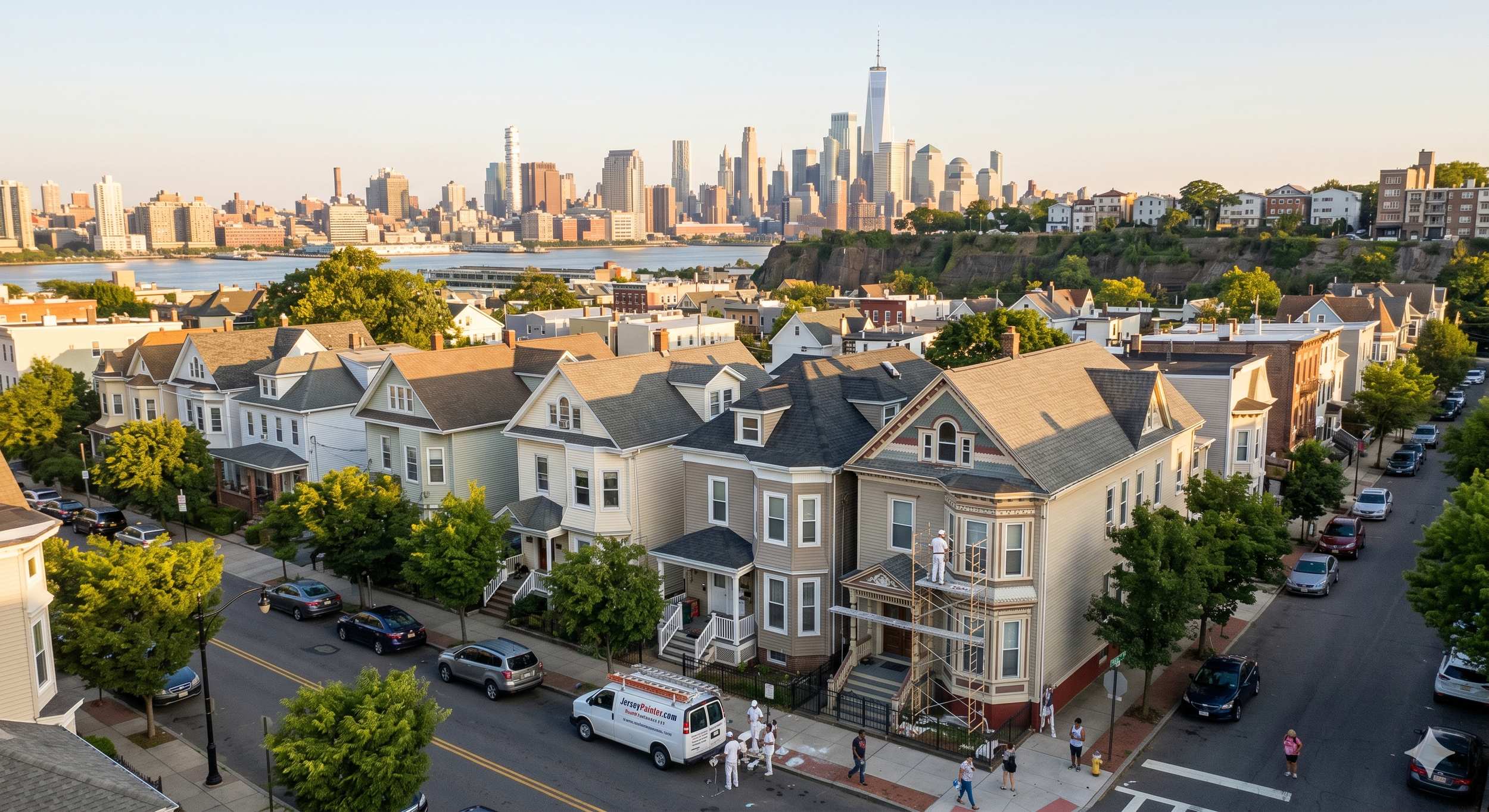
Jersey City Heights
By the Numbers: Who is Moving to The Heights?
To understand why renovation standards are climbing in zip code 07307, it helps to look at the neighborhood's changing demographics. Today, The Heights is home to approximately 50,000 residents.
The area has become a magnet for young professionals and growing families seeking more space and historic charm than Downtown offers, without sacrificing the urban feel.
The Age Demographic: The median age sits right at 37 years old, with the vast majority of residents (over 61%) falling into the prime working and home-buying age bracket of 25 to 64.
The Economic Shift: While the median household income is a healthy $83,297, the average household income pushes past $121,000. More notably, roughly 18% of households in The Heights now earn over $200,000 annually.
This influx of higher-income earners is driving a surge in luxury renovations. Renters and buyers are no longer satisfied with "landlord specials"; they expect premium finishes, flawless execution, and architectural preservation.
Understanding The Heights: A Neighborhood Breakdown
"The Heights" is not a monolith. Sitting 100 feet above sea level on the Palisades, this massive neighborhood is home to roughly 60,000 residents and is uniquely divided into distinct micro-neighborhoods, each with its own demographic profile and architectural style.
1. The Riverview Arts District (RAD)
The Vibe: Located on the eastern edge of The Heights along Palisade and Ogden Avenues, this area offers stunning, unobstructed views of the Manhattan skyline (especially from Riverview-Fisk Park). In 2013, zoning laws changed to allow live/work spaces for artists, officially creating the Arts District.
The Demographics: This is the most rapidly gentrifying section of The Heights. It attracts a high concentration of young professionals, creatives, and former Downtown/Manhattan residents. The household income here skews higher than the rest of the neighborhood, driving the demand for luxury restorations of the area's grand Victorian homes and brownstones.
2. The Western Slope
The Vibe: Facing west away from Manhattan and overlooking the Meadowlands and the Hackensack River, the Western Slope offers a quieter, more residential, and suburban feel.
The Demographics: Home to roughly 6,800 residents, this enclave is highly family-centric. Because it is generally more affordable than the eastern edge, it is a prime target for first-time homebuyers and young families, seamlessly mixing with long-term, multi-generational Heights residents. Homes here often consist of sturdy two- and three-family properties requiring functional, high-durability interior updates.
3. The Central Avenue Corridor
The Vibe: The bustling ¾-mile commercial spine of The Heights. With over 240 storefronts, it is the neighborhood's main street and primary shopping district, flanked by dense residential side streets.
The Demographics: This is the melting pot of The Heights, reflecting a highly diverse, working-to-middle-class demographic. The housing heavily features multi-family units and low-rise apartments, with a median resident age right around 37 years old.
(Overall, while the median household income in The Heights sits around $83,000, the average household income now pushes past $121,000, with nearly 18% of households earning over $200,000 annually. This growing affluence is exactly what is driving the demand for higher-tier home renovations across all zip codes).
1. Century-Old Walls Require Meticulous Prep
The biggest hurdle in painting a historic home in The Heights is the condition of the walls. Many of these properties still feature original lath and plaster, which naturally shifts, settles, and cracks over the decades.
A simple patch job will inevitably show through a new coat of paint. To achieve a perfectly smooth, modernized surface without destroying the original architecture, extensive prep work is mandatory. This often involves professional skim-coating—applying a fine layer of joint compound over the entire wall—to create a pristine, "Level 5" finish before any color is even mixed.
2. Adapting to Evolving Floor Plans
The way residents live in The Heights has changed, and older floor plans are constantly being adapted. It is incredibly common during renovations to completely rethink the flow of the home; for example, what was historically designated as a formal dining room is now frequently repurposed and officially treated as the primary living room to suit modern lifestyles.
Because layouts are shifting, absolute clarity in your project scope is essential when communicating with contractors. Specificity prevents costly misunderstandings. For instance, if your budget dictates skipping overhead surfaces, stating "no ceiling" on the estimate establishes a strict parameter indicating that absolutely no ceiling work is required or included in the scope.
3. Choosing Premium, High-Performance Paint
Older homes have quirks—uneven lighting, textured baseboards, and intricate crown molding. To maximize the visual impact and ensure long-term durability, investing in premium paint is non-negotiable.
For Everyday Elegance: Utilizing top-tier products like Benjamin Moore Regal Select or the Aura line provides unparalleled color depth and durability. These formulas are exceptional at hiding minor wall imperfections common in older homes, while remaining highly washable.
Zero-VOC for Tight Spaces: For multi-family units where ventilation can be tricky, relying on zero-VOC options like Benjamin Moore Ultra Spec 500 ensures the air quality remains safe and odor-free for you and your neighbors.
4. Elevating the Space with Artisanal Finishes
If you want to lean into the "Old World" sophistication of your historic Heights property, consider moving beyond standard latex paint.
Artisanal, mineral-based finishes are currently the pinnacle of high-end interior design, perfectly aligning with the neighborhood's upscale demographic shift. Incorporating Venetian Plaster, Roman Clay, or Limewash adds a luxurious, modeled texture to your walls. These finishes interact beautifully with the natural light filtering through the large windows typical of Edwardian homes, adding an organic, bespoke element that standard paint cannot replicate.
5. The Logistics of Multi-Family Painting
Working in The Heights often means navigating narrow stairwells, shared hallways, and tight street parking along Central or Palisade Avenue. Respecting the property and the neighbors is a critical part of the job.
A professional crew will prioritize comprehensive site protection and, just as importantly, allocate proper time for tear-down. Meticulous clean-up cannot be rushed; leaving an apartment in pristine, move-in-ready condition demands a strict minimum of one hour dedicated solely to clean-up labor at the end of the project.
Local Expertise Matters
Renovating in Jersey City Heights is a unique undertaking. It requires contractors who respect historic architecture, understand the nuances of premium paint applications, and manage the logistics of tight urban spaces with absolute professionalism. Whether you are transforming a classic rowhouse or updating a multi-family investment property, approaching the project with the right materials and exact specifications will guarantee a stunning result.